When an organization begins considering streaming content whether for corporate events, institutional communications, or recurring broadcasts one of the first questions is usually very direct:
How much does professional streaming cost?
At first glance, the answer seems simple. Today, there are many tools that make it relatively easy to broadcast live video: a streaming platform, an encoder, and an internet connection can be enough to get started.
However, when projects begin to grow or become a relevant part of an organization’s communications strategy, many teams discover something quite common:
The real cost of a streaming project almost never matches the initial estimate.
Not because the technology is necessarily complex or inaccessible, but because professional streaming involves many more technical and operational layers than are usually considered at the beginning.
Why Calculating the Cost of Streaming Is Often More Complex Than It Seems
In many cases, streaming is initially approached as a simple technological tool. In other words, the conversation often starts with questions such as:
- What streaming platform do we need?
- How much does the license cost?
- What software do we need to broadcast?
However, when streaming becomes part of an organization’s communications strategy—events, presentations, training sessions, or public broadcasts—the reality is that it is not just a tool. It involves building a system that enables video to be produced, managed, and distributed reliably. And this is where factors that are not always considered in the initial estimate begin to play a role.
The Most Common Mistake When Calculating the Cost of a Streaming Project
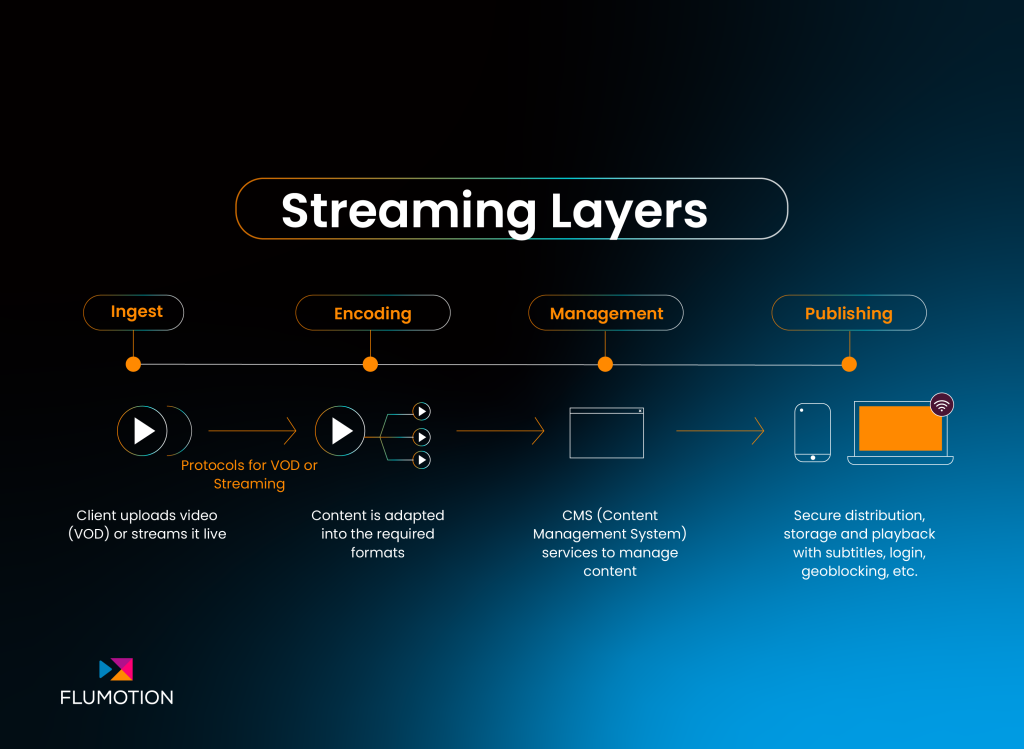
One of the most frequent mistakes is reducing the cost of streaming to the platform alone. However, a professional streaming project usually involves several layers that go beyond basic technology.
These include:
- Content production
- Distribution infrastructure
- System reliability
- Streaming operations
Depending on the type of project, any of these layers can have a significant impact on both the cost and the operational complexity.
The 4 Factors That Really Determine the Cost of Streaming
Although every project is different, there are several elements that typically determine the real cost of a streaming infrastructure.
Content Production
The first layer is audiovisual production.
Depending on the type of broadcast, this may include:
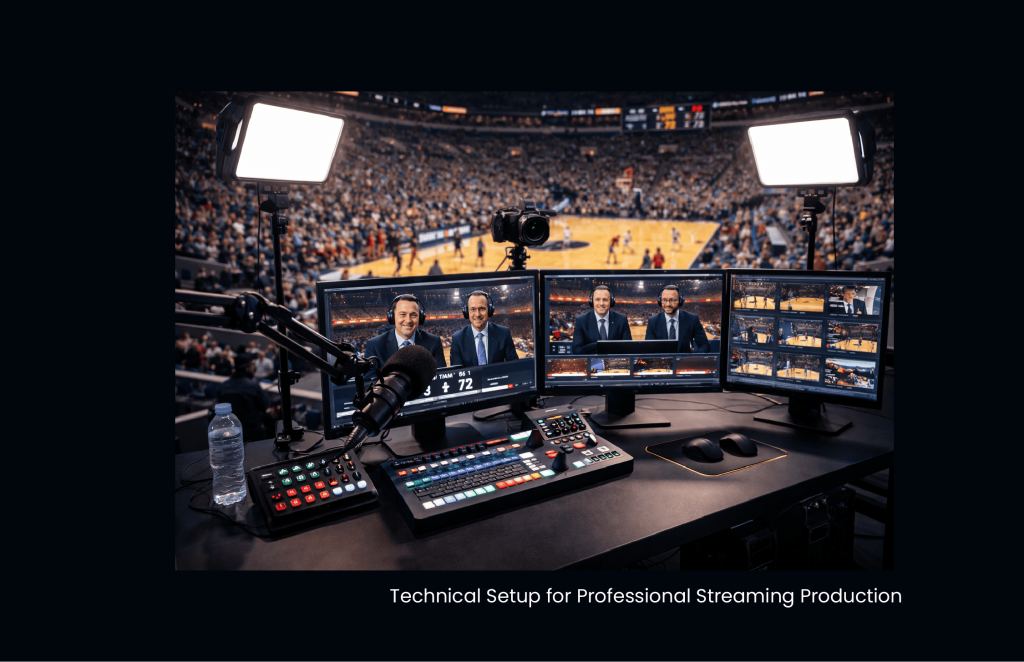
- Cameras and live production
- Technical production
- Audio mixing
- Lighting
- Recording or live production equipment
In many cases, this part is already handled internally or outsourced, but it remains an important component of the project.
Streaming Infrastructure
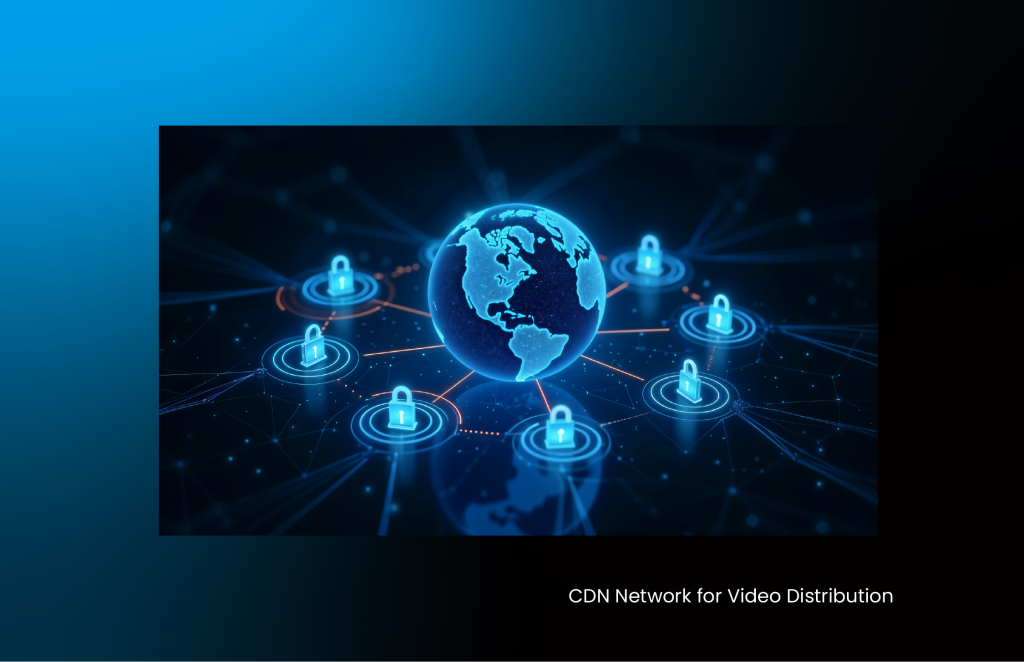
Once the video has been produced, the infrastructure that receives, processes, and distributes the signal comes into play. This includes elements such as:
- Signal ingest (typically via RTMP)
- Encoding or transcoding
- Distribution through CDN networks
- Handling audience traffic spikes
Streaming to a few dozen viewers does not present the same challenges as distributing content to thousands or tens of thousands of simultaneous users. For this reason, streaming architecture is usually adapted to the type of audience and the scope of the project.
Reliability and Redundancy
This is one of the most underestimated aspects at the beginning. When streaming is used for critical events, institutional presentations, public broadcasts, or live content for large audiences, the goal is not simply to stream video. The goal is to ensure that the system works when it matters most. To achieve this, many streaming architectures include:
- Backup signals
- Redundant infrastructures
- Distributed storage
- Monitoring systems
Streaming to a few dozen viewers does not present the same challenges as distributing content to thousands or tens of thousands of simultaneous users. For this reason, streaming architecture is usually adapted to the type of audience and the scope of the project.
System Operations
Another component that often goes unnoticed is streaming operations.
Broadcasting live video is usually not a one-time setup, but a process that involves:
- Preparation for each event
- Management of input signals
- Monitoring of broadcasts
- Troubleshooting incidents
- Infrastructure maintenance
In many projects, especially when broadcasts are recurring, system operations end up being one of the most significant components of the project.
Why Every Streaming Project Ends Up Being Different
From the outside, two streaming projects may appear very similar. However, in practice there are multiple variables that influence the system design and its cost:
- Audience size
- Broadcast frequency
- Event duration
- Need for archiving or video on demand
- Required levels of reliability
For this reason, it is common for two seemingly similar projects to require different technical and operational architectures. As video becomes a central part of many organizations’ communications strategies, understanding how to design reliable streaming infrastructures will become increasingly important.
By Oscar Ferrando
CEO, Flumotion
Oscar Ferrando leads Flumotion, a company specialized in professional video and streaming technologies. Throughout his career, he has worked on video distribution projects, streaming platforms, and infrastructure architectures for organizations that need to deliver content at scale.
Let's design your streaming architecture
We analyze your situation and determine the optimal combination of products based on your technical and business needs.